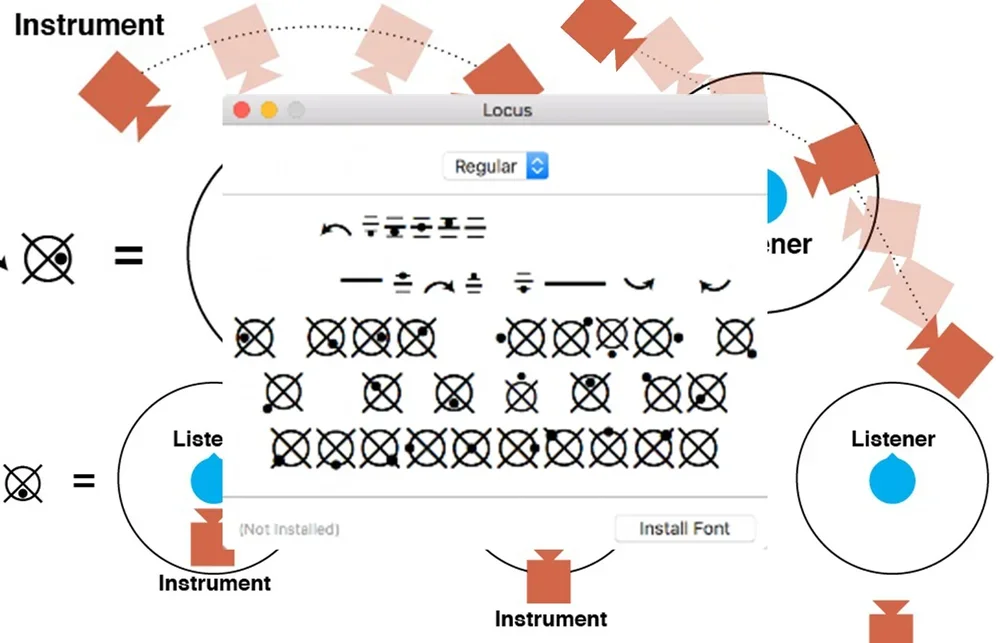
Locus: Spatial Music Notation
Lead Designer & Researcher | Independent Project 2019
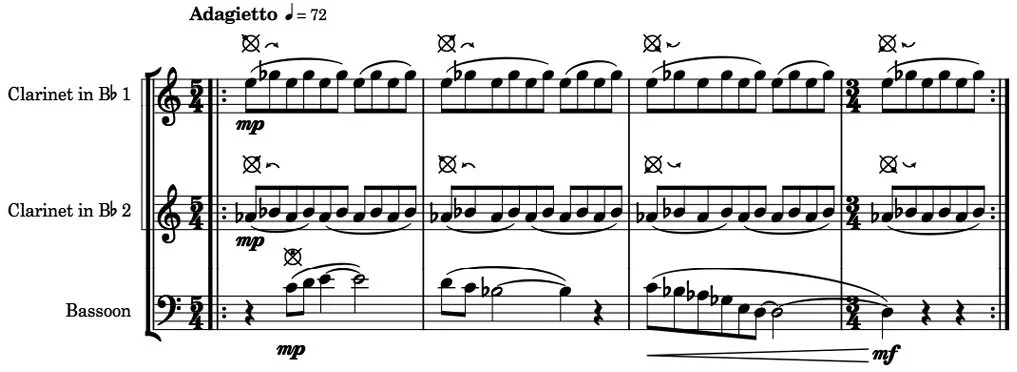
Locus is a pioneering spatial notation system designed to codify sound localization and movement within a musical score. Conceived during my time at MIT following my graduation from Berklee College of Music, the project addresses the "spatial gap" in traditional notation, providing composers with a standardized vocabulary for notating instrument spatialization as a compositional tool. The system has since been adopted into SMuFL (Standard Music Font Layout), the global industry standard for music fonts and it is currently the only music notation symbol dedicated to music spatialization.
Phase I: Theoretical Research & The "Spatial Gap"
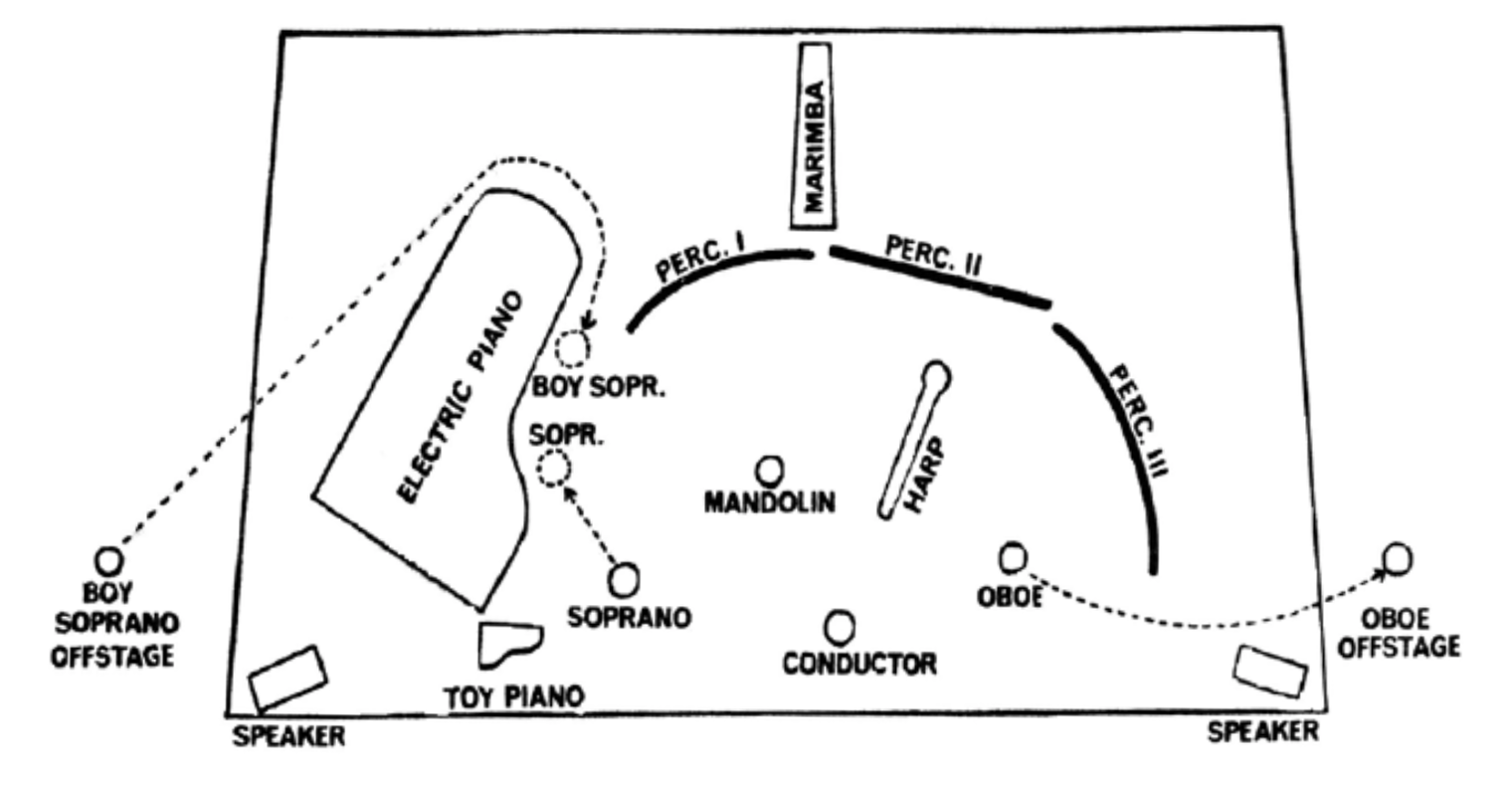
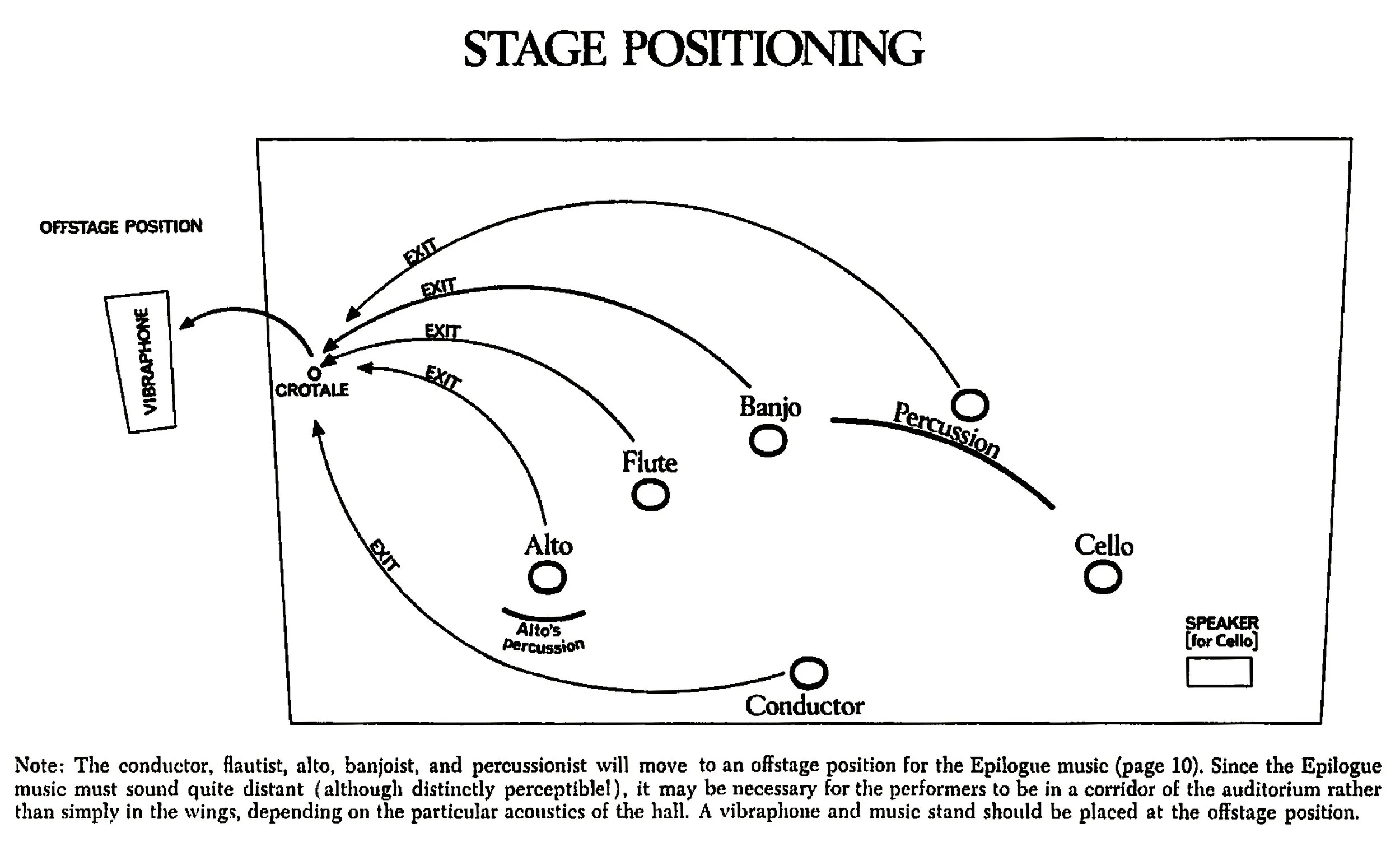
My work began with an investigation into the history of sound imaging from the orchestral seating experiments of Leopold Stokowski to the avant-garde diagrams of George Crumb. I identified a critical need for a modern, compact symbol that could represent complex spatial data without cluttering the score.
Problem Definition: While Sound engineers have long been able to spatialize musical elements in a recording, composers lacked a professional shorthand to communicate these intentions, a crucial step in the creation of music where spatialization is a compositional property, rather than an aesthetic element.
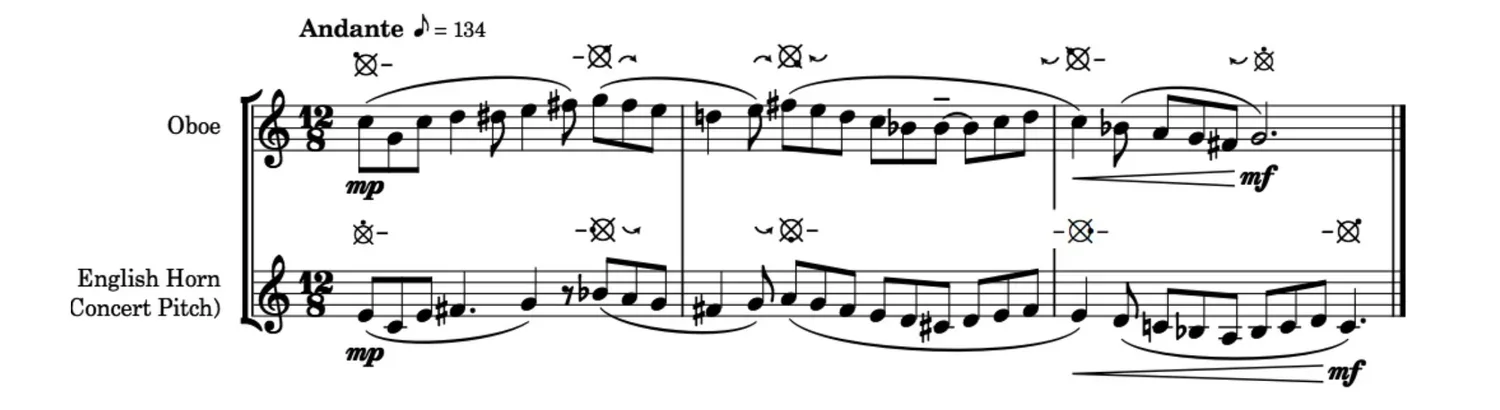
Phase II: Design Engineering of the "Locus" Symbol
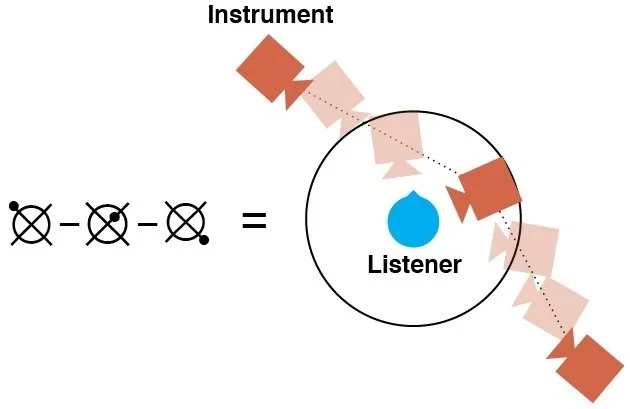
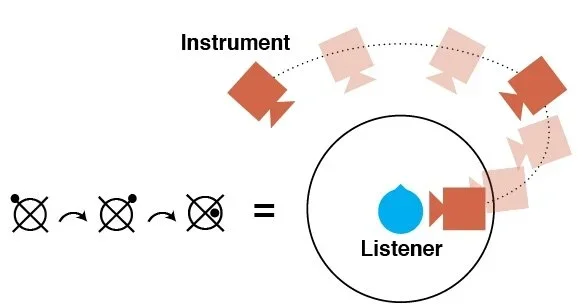
The second phase focused on the geometric and visual engineering of the "Locus" character. I designed a minimalist system composed of a circle, a 45º cross, and a variable dot to represent a bird’s-eye view of the listener's environment.
Precision Design: I optimized the symbol for 45-degree angular precision and three distinct distance layers (foreground, midground, and background).
Spatial Properties: The Locus symbol also includes indicators for source distance, linear and rotational motion, allowing for dynamic spatial effects using the language of rhythmic notation.
Visual Efficiency: The character was engineered for maximum legibility at small font sizes and ease of hand-drawing, ensuring it could be used seamlessly by both digital engravers and live performers.
Phase III: Font Development & Global Standardization
The final stage involved moving the system from a conceptual design into a functional tool for the global music community.
Technical Implementation: I developed a dedicated .ttf font and created custom integration workflows for the industry's leading notation software, including Dorico, Finale, and Sibelius.
Industry Adoption: The project’s success culminated in its inclusion in SMuFL, effectively standardizing the Locus symbol for use by music software developers and publishers worldwide.
Impact: Locus has bridged the divide between traditional composition and spatial music notation. By providing a formal language for "spatial orchestration," it allows composers to treat the physical position of sound as a core musical parameter, much like dynamics, pitch or rhythm.
For more information, click here.