
Prisms Of Reality
Vice President of Product and Engineering 2022 - Present
Phase I: Inception & Foundational UX (Year 1)
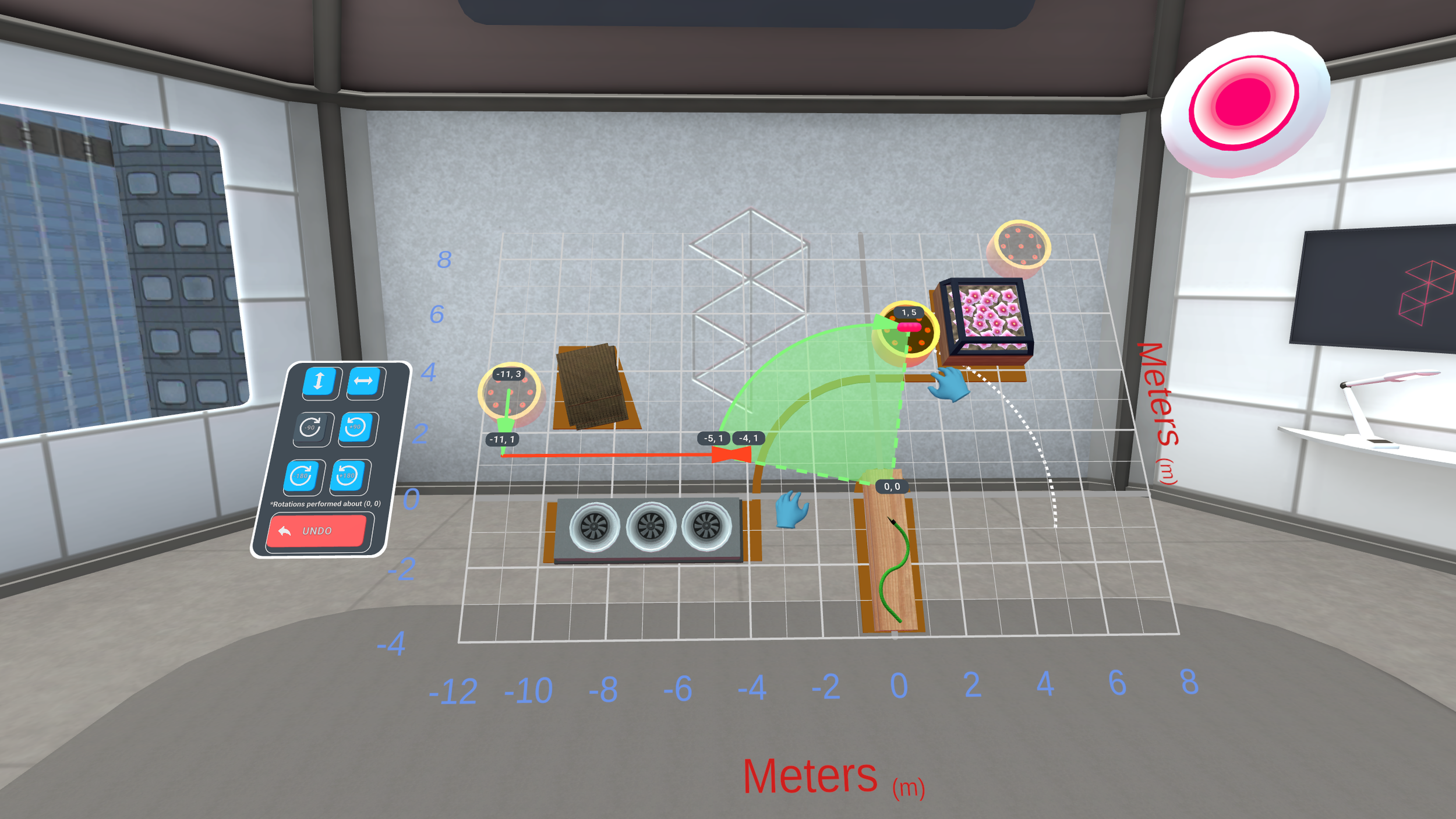
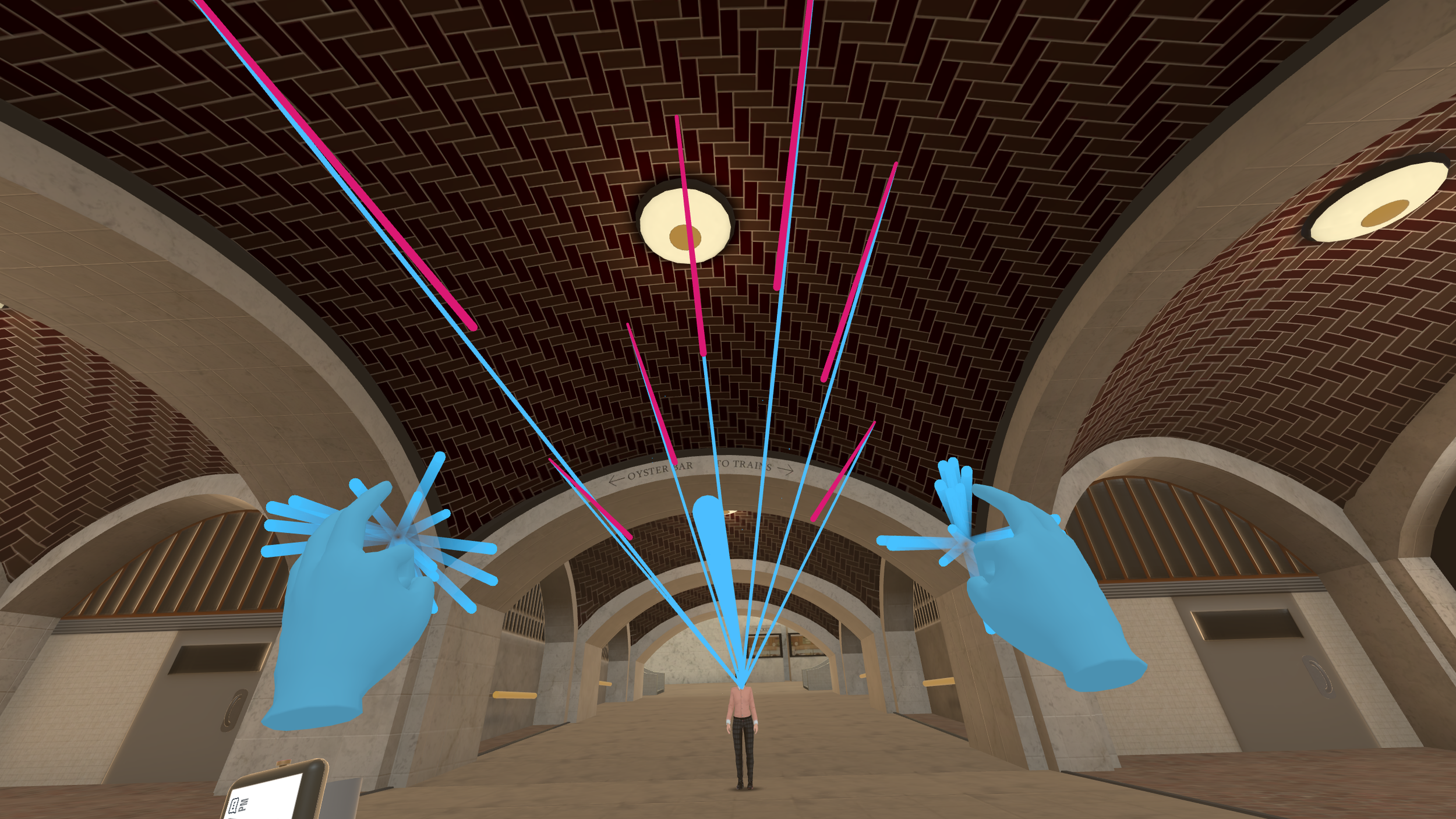
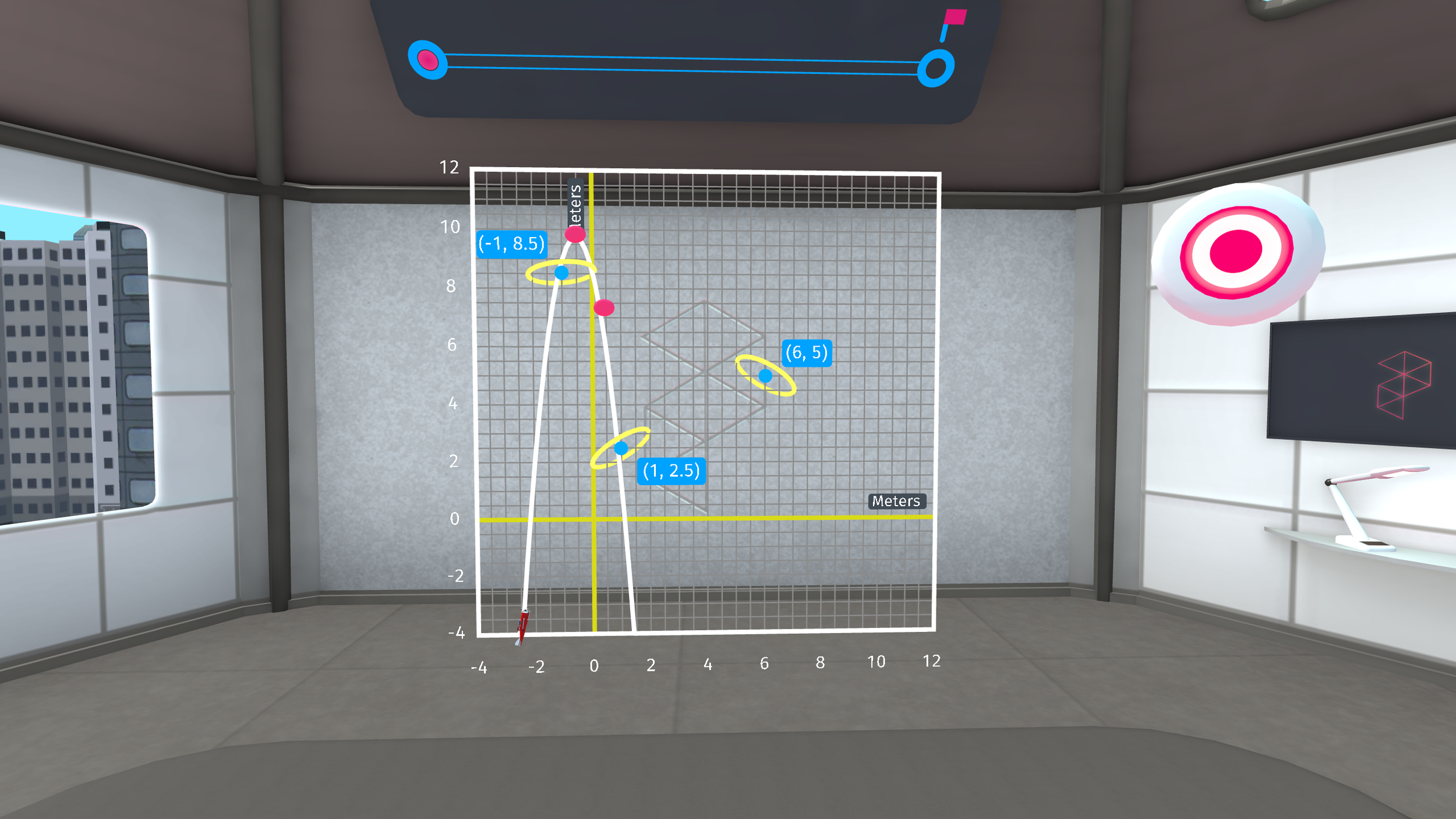
I joined Prisms at its inception, with the mission to create a new pedagogical framework and transform it into a functional and scalable product. My initial goal was to define an interaction language of immersive learning that allow users to learn through movement.
Pedagogical Translation: Established the core framework for teaching high-quality STEM curriculum within a spatial medium.
The Prisms UX: Designed the foundational visual and auditory systems, creating a UX that was intuitive for first-time VR users (students and teachers) while maintaining the rigor required for a high-school curriculum.
Phase II: Scaling Libraries & Operational Velocity (Years 2–3)
As the product moved from a "proof of concept" to a market-ready solution, my goal shifted toward content scaling. I built a high-efficiency team capable of handling the demands of a rapidly growing startup.
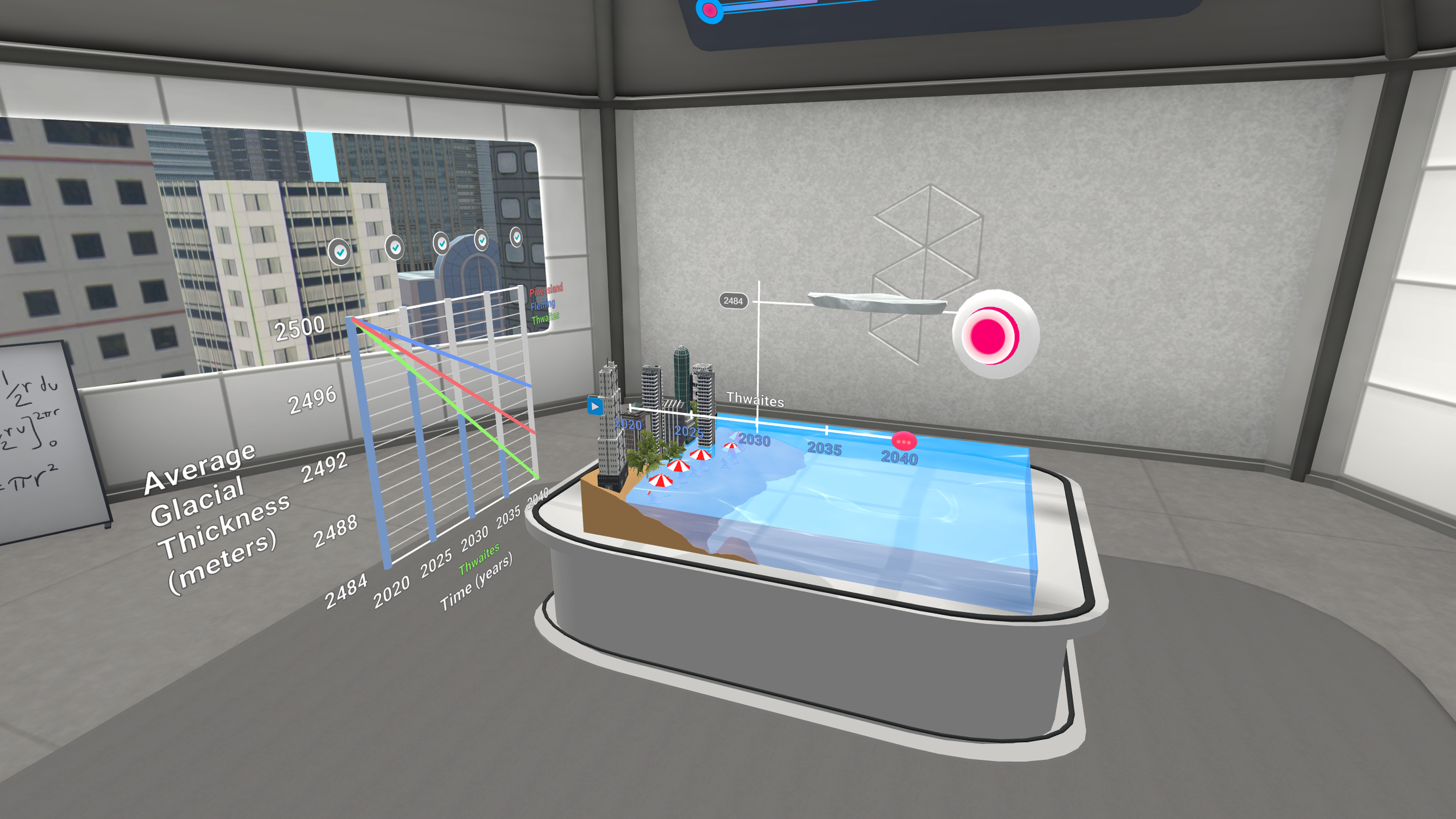
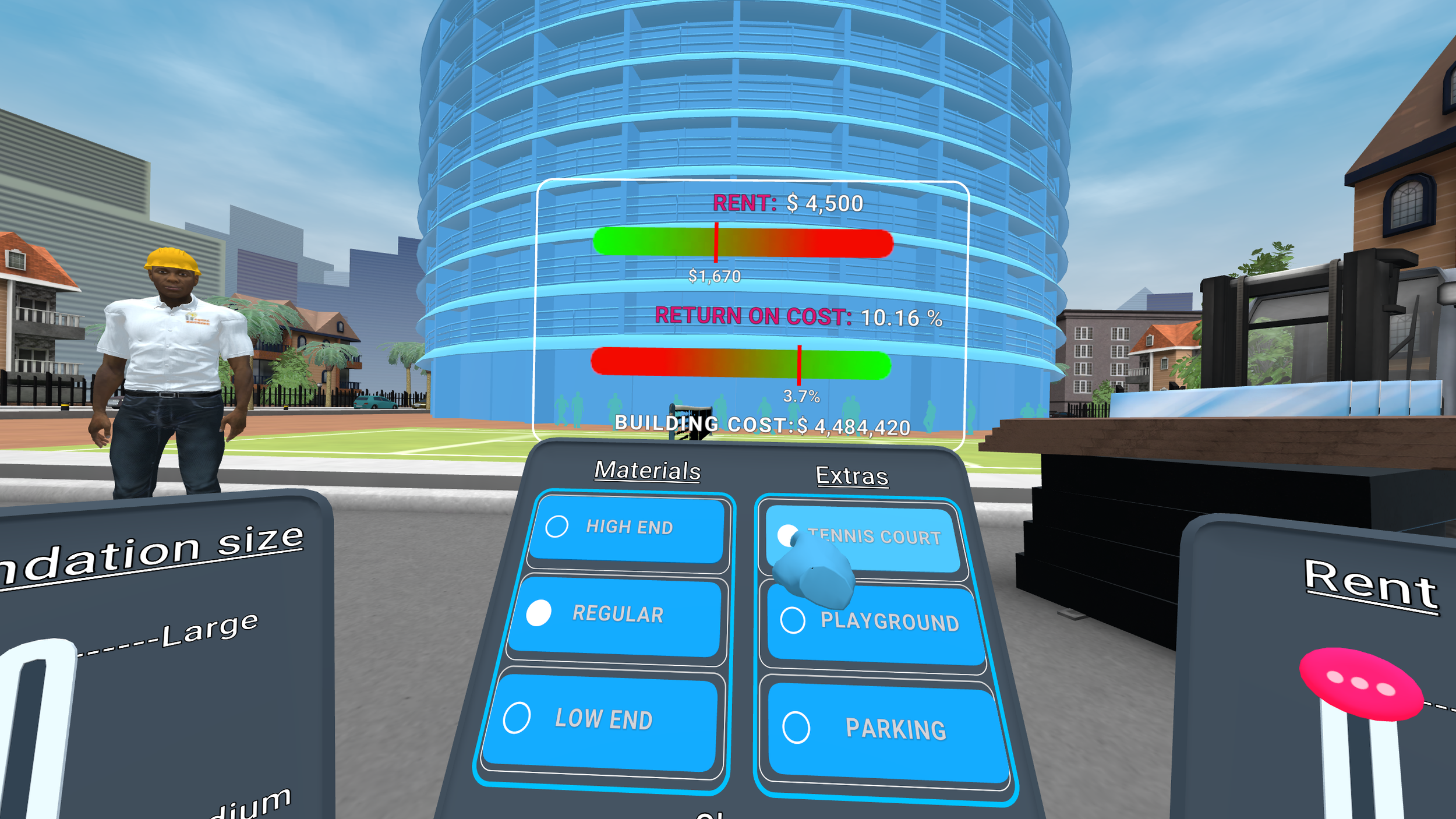
10x Content Growth: Standardized development practices and "common pedagogical language" across all modules, allowing us to scale the library from 10 to 100+ fully interactive, narrative-based experiences.
Market Dominance: This rapid content expansion enabled an early-to-market advantage, facilitating full-scale implementations across school districts in all 50 U.S. states and select international institutions.
Phase III: Architecture for 1M+ users (Year 4 - Now)
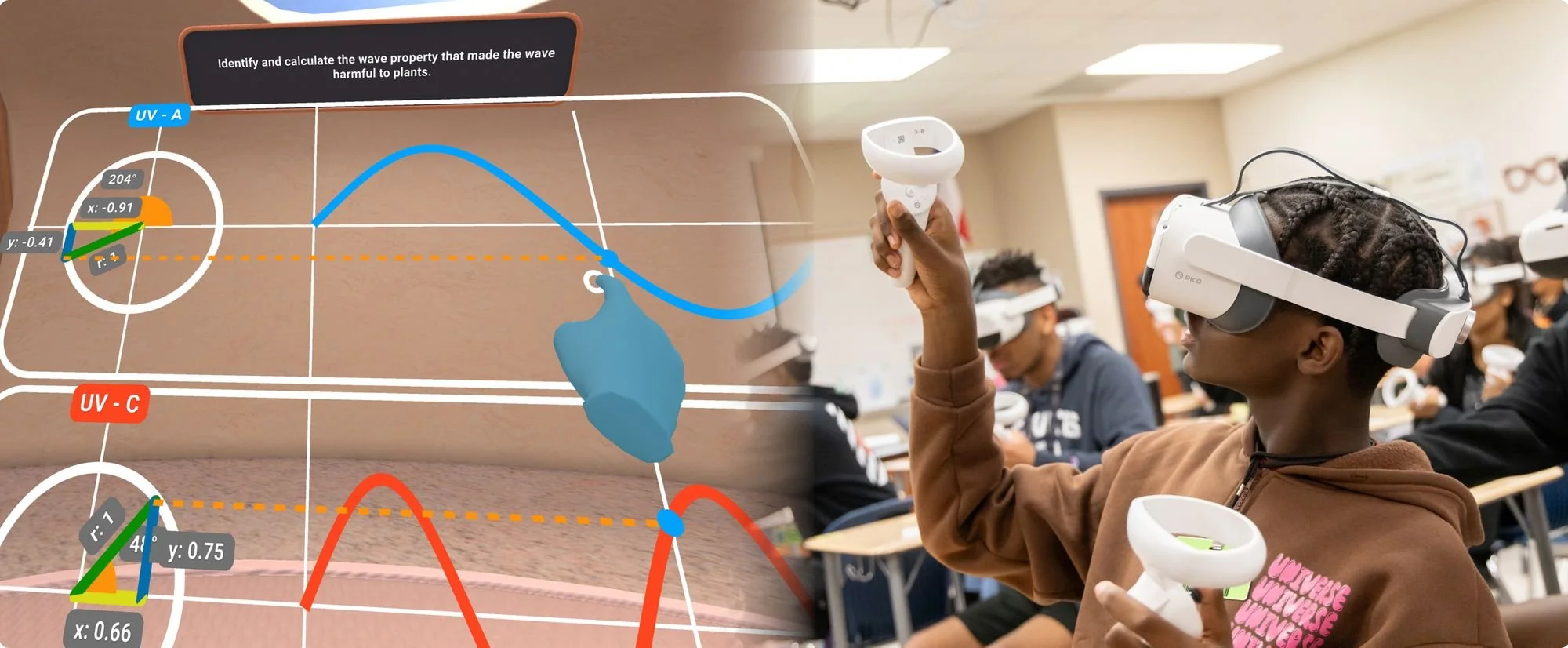
With a massive influx of users, the mission evolved into large-scale data integrity and platform modularity. I led the technical transition from a content-heavy application to a data-driven platform.
Strategic Re-Architecting: Overhauled the module architecture to support a 1,000+ content library and enabled external content development via our proprietary platform.
Actionable Analytics: Integrated large-scale analytics to provide real-time student success assessments, closing the loop between student performance and content iteration.
Series-B Success: The resulting efficiency gains and architectural scalability were pivotal in the successful closure of our Series-B funding round, subsequently doubling our content development capacity.